
The journal
Can I bring a purse and a backpack and a carry-on?
A purse, backpack and rolling carry-on are three separate pieces. Compare them with the actual booking’s allowance and consolidate only within its size, weight and item-count limits.
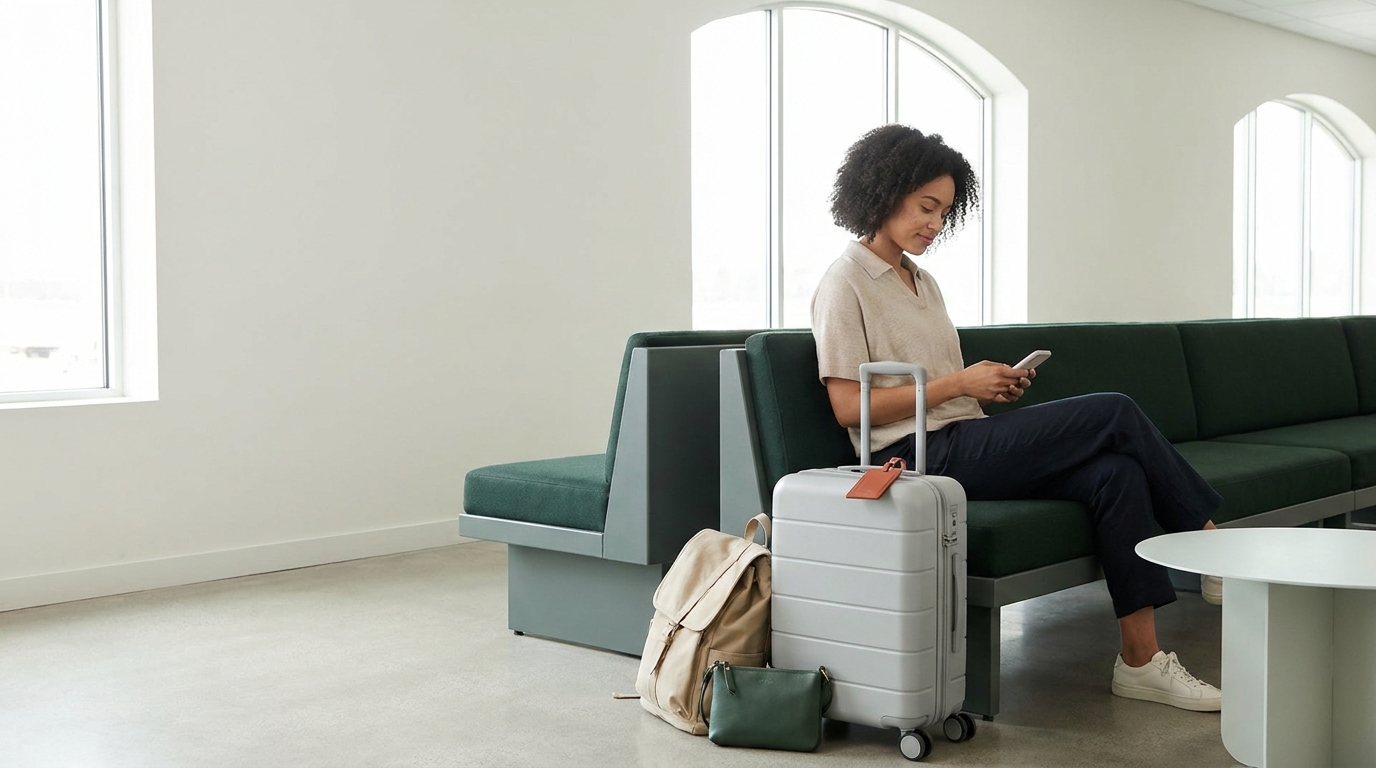
Check the allowance for your actual booking. If it allows one carry-on plus one personal item, a separate purse, backpack and rolling carry-on are three pieces and do not fit that two-piece allowance. You would need to consolidate or use another option permitted by the airline.
As a current airline example, American Airlines lists one personal item and one carry-on, with its own dimensions and exceptions. That is an example, not a rule for every airline or fare.
What each item usually means
- Purse: Commonly treated as a personal item if it fits under the seat.
- Backpack: Can be a personal item if it’s small enough to go under the seat; larger backpacks are often treated as the carry-on.
- Carry-on: The larger bag for the overhead bin, with size (and sometimes weight) limits that vary by airline.
If your purse and backpack are both under-seat size, many airlines still limit you to one personal item. In that case, nest the purse inside the backpack or make the backpack your carry-on.
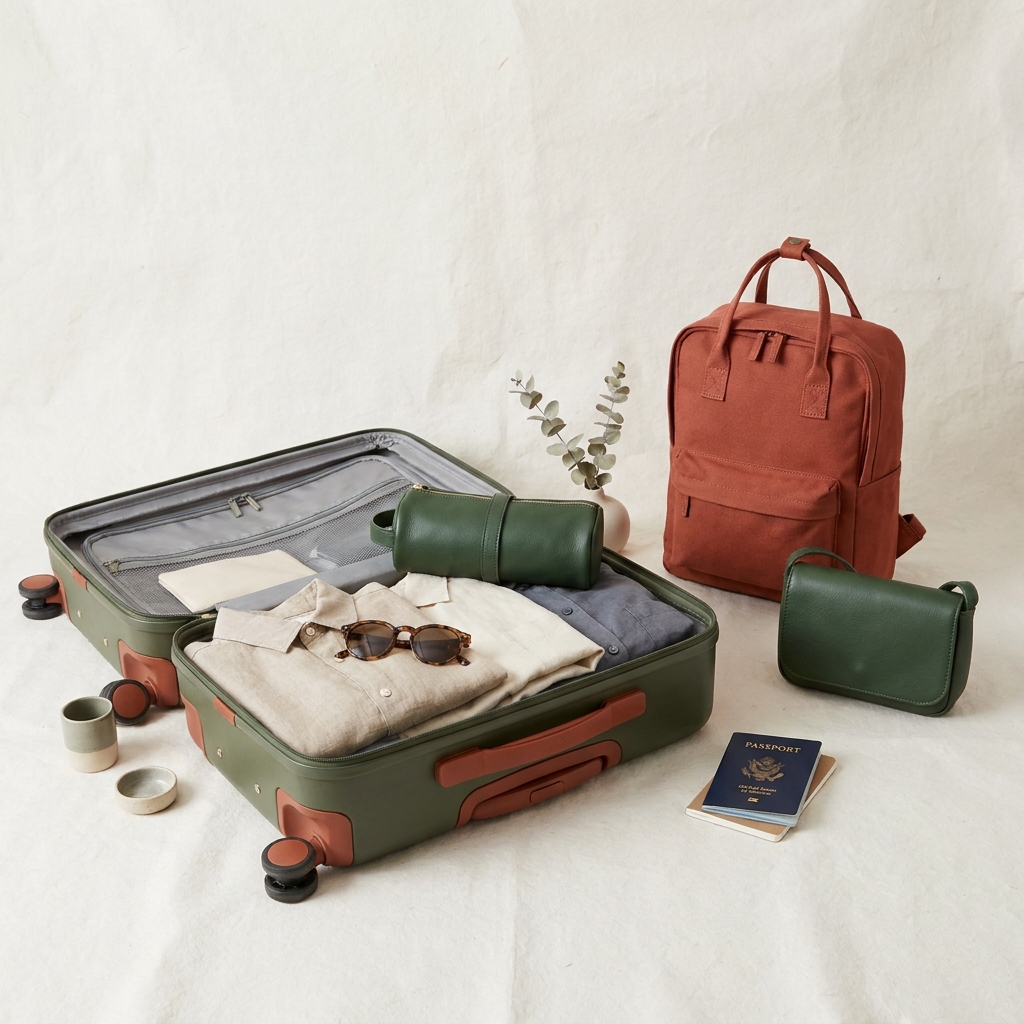
How to check your airline baggage allowance quickly
- Find your operating carrier. On codeshares, the airline flying the plane usually sets the onboard bag rules. Check your confirmation for “Operated by …”.
- Identify your fare type. Do not infer the allowance from a label such as Basic, Light or Standard; read what that exact booking includes.
- Open the airline’s carry-on and personal item policy page. Use the “Baggage,” “Carry-on,” or “Cabin baggage” link on your airline’s website or app for your route.
- Check the personal item dimensions first. Compare your purse or small backpack to the airline’s under-seat size box. See our guide to personal item size limits on international flights.
- Confirm carry-on size and any weight limit. Some airlines include wheels and handles in their measurement. If you’re unsure, read Do carry-on size limits include the wheels?
- Look for route or aircraft exceptions. Smaller regional jets may have tighter bins and more gate-checking.
- Save proof. Screenshot the policy that applies to your fare and route and keep it with your boarding pass.
Fare and route gotchas to watch
- Fare labels: Some bookings include only one item, while others include another cabin bag; the label alone is insufficient. A purse plus a backpack plus a carry-on as three separate pieces will usually be over the limit.
- International and long-haul: Some carriers set carry-on weight limits in addition to size. Check both.
- Codeshares: Rules can differ between the airline that sold your ticket and the one operating the flight. Rely on the operating carrier’s onboard rules.
Avoid security surprises at screening
Airline bag allowances and TSA security rules are different. Even if your airline allows two items, everything you carry through security must meet screening rules. The most common issue is liquids: follow the TSA Liquids, Aerosols and Gels rule of containers 3.4 oz (100 ml) or less, all in a single quart-size bag in your carry-on. Larger liquid containers should go in checked baggage. See TSA’s current guidance: Liquids, Aerosols, and Gels Rule and the agency’s Travel Checklist (PDF).
Quick example
In this hypothetical example, your booking explicitly permits one under-seat item only. Outcome: bring either your purse or your backpack under the seat, not both as separate items. Your rolling suitcase would need to be checked, or you’d need to upgrade your fare. On a standard economy fare that allows a carry-on plus a personal item, put the purse fully inside a compliant backpack to make one personal item, with the rolling case as the carry-on. Alternatively, take only the purse as personal item and the backpack as carry-on, without a third rolling bag.
Put this into practice
List the pieces you intend to carry and compare them with the actual airline and fare allowance. Consolidate before reaching the gate rather than assuming a purse is automatically exempt from the piece count.
Check your allowance for this trip
FAQ
What if gate staff say I have too many items? Consolidate on the spot: place the purse inside the backpack, or the backpack inside your carry-on. If you can’t consolidate, you may be asked to gate-check a bag.
Does TSA care how many bags I have? TSA screens what you bring through security but does not set your airline’s baggage allowance. Their published materials focus on how to pack and what can go through the checkpoint, including liquids rules and packing tips. See the TSA Travel Checklist and the Liquids, Aerosols, and Gels Rule.
From Cabin & Carry: If you’re flying light, a small backpack often works as the personal item while your suitcase is the carry-on. If your fare only allows one item, choose the one that fits under the seat and plan to check the rest.
